


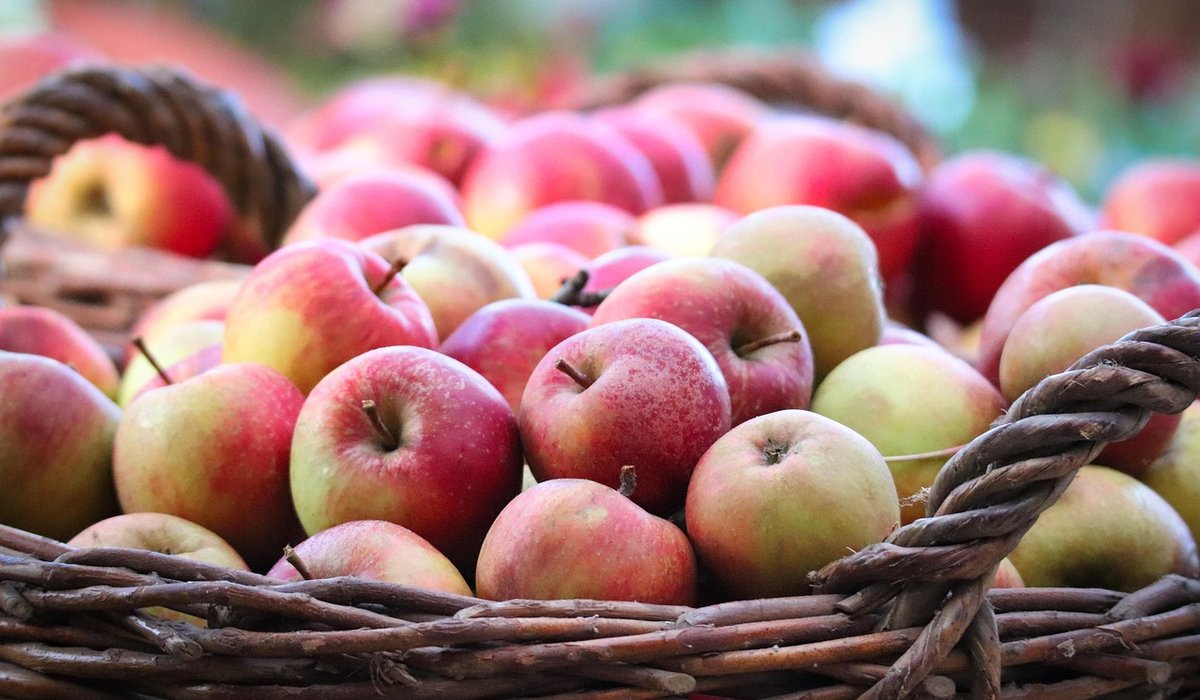
A Supper Rooted in British Orchards
There are few suppers more deeply rooted in the British landscape than a slow-cooked pork shoulder with apples and cider. The dish brings together three of our oldest farmyard traditions: the orchard, the pig, and the cider press. In autumn and winter, when the last apples are gathered and the cider is still fermenting in cool outbuildings, this is the kind of cooking that warms a kitchen from the inside out.
British apple growing is not simply about fruit. It is about place. Orchard counts have declined over the past century, yet small growers and community orchards are quietly bringing back varieties that supermarkets never stock. Sharp cooking apples, aromatic eaters, and bittersweet cider apples each have a role. This recipe celebrates that diversity, using sharp apples for acidity and dry cider for depth.
Choosing British Apples and Cider
For slow-cooked pork, you want apples that hold some shape but collapse into a sharp, fragrant sauce. Bramley is the classic British cooking apple: bracingly acidic, fluffy when cooked, and perfect for cutting through rich pork. If you can find them, Egremont Russet adds a nutty note, whilst a Cox's Orange Pippin brings sweetness and perfume. Avoid dessert apples that turn to mush without any bite.
Cider is just as important. Use a dry, cloudy cider from Somerset, Herefordshire, or Devon. The best bottles are unpasteurised and still, with a funkiness that cooks down into something savoury. Sweet or sparkling ciders will make the dish cloying. If you can, buy a litre and drink a glass whilst you cook – that is the orchard culture in practice.
The Pork: Cut, Breed, and Browning
British pork is some of the best in the world, particularly when it comes from outdoor-reared breeds such as Gloucester Old Spot, British Lop, or Middle White. For this dish, choose pork shoulder. It has plenty of fat and connective tissue, which melts during slow cooking into gelatinous richness. A boned and rolled shoulder weighing about 1.5kg will feed four generously.
Brown the pork first. This is not optional. Pat the meat dry, season it well with salt and black pepper, and sear it in a heavy casserole over a medium-high heat until every side is deeply coloured. That crust is the foundation of the final sauce. Remove the pork, then soften sliced onions and a couple of sticks of celery in the same pan.
Building the Braise
Once the vegetables are soft, add a tablespoon of plain flour and stir for a minute. Pour in 500ml of dry cider, scraping up the browned bits. Add 200ml of chicken or pork stock, two or three peeled and thickly sliced Bramleys, a few sprigs of fresh sage, and a teaspoon of wholegrain mustard. Return the pork to the pot. The liquid should come about halfway up the meat; add more stock if needed.
Bring to a simmer, cover, and transfer to a low oven – 150°C fan/170°C conventional/gas mark 3 – for three to three and a half hours. Alternatively, cook it on the lowest hob setting with a heat diffuser. The pork is ready when it yields without resistance to a fork. Do not rush it. Slow cooking is not a technique; it is a conversation with the meat.
Sage, Mustard, and the Final Seasoning
When the pork is tender, lift it out and keep it warm. Strain the cooking liquid into a saucepan, pressing the apples and vegetables to extract every drop of flavour. You should have a thin, intensely savoury broth. Simmer it hard until it reduces to a glossy sauce that coats the back of a spoon. Taste it. It will likely need more salt, perhaps a splash of cider vinegar, and another teaspoon of wholegrain mustard for heat and texture.
Sage is the herb that ties this dish to the British garden. Its earthy, slightly peppery leaves stand up to pork and apple without overwhelming them. If you have dried sage, use half the quantity. Fresh is better: tuck whole leaves under the pork before cooking, then scatter a few fried leaves over the finished dish for crunch.
Serving and the Orchard Year
Serve the pork in thick slices or rough chunks, spooned over buttery mashed potatoes or alongside roasted root vegetables. A mound of wilted greens – kale, cabbage, or spring greens – adds a clean bitterness. Pour the reduced cider sauce over everything, and pass extra wholegrain mustard at the table.
This is a dish for October through February, when British orchards are bare and cider is still. But it works equally well in spring with the last of the stored apples. Leftovers improve overnight; the flavours meld into something even deeper. Reheat gently with a splash of cider. And if you have a bottle of dry cider left, drink it alongside – cold, cloudy, and sharp. That is the whole point: the orchard, the pig, and the press, all on one plate.


Leave a reply