


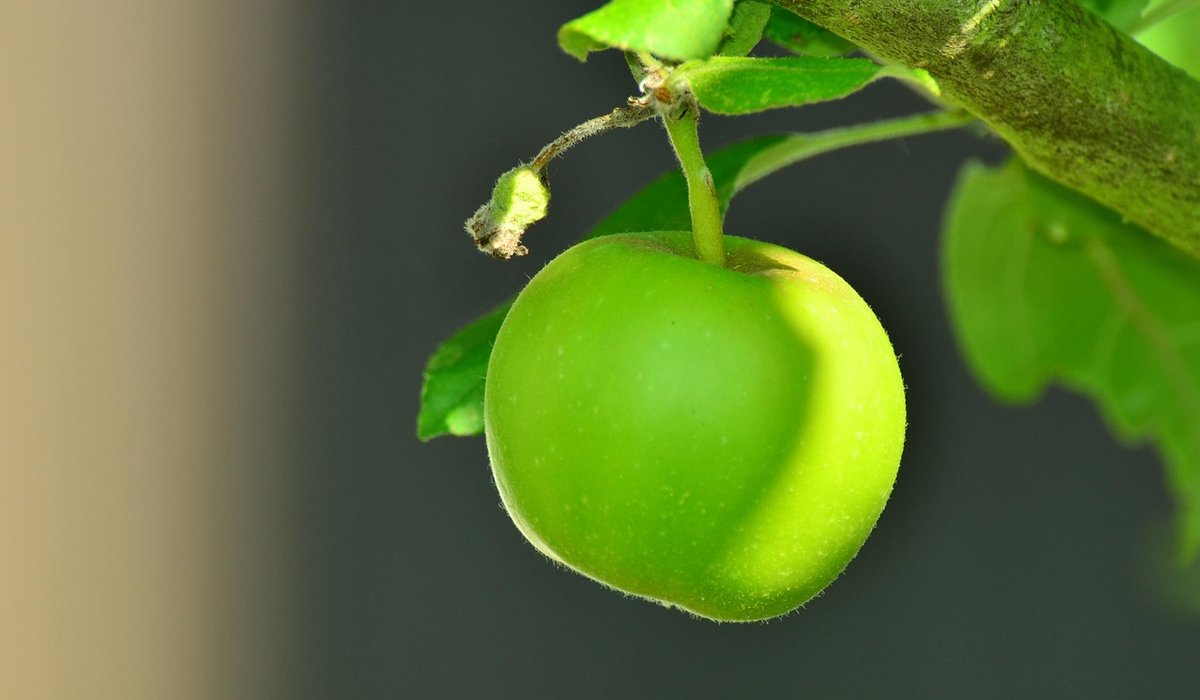
Why some apples keep and others don't
There is something quietly satisfying about reaching into a dark corner of the shed in February and pulling out an apple that still snaps when you bite it. It tastes of October, not of the supermarket chiller cabinet. But if you have ever tipped a box of wrinkled, brown-fleshed fruit onto the compost heap in January, you will know that successful storage is not luck. It is a combination of choosing the right varieties, handling them gently, and getting the conditions right from the first day.
The single most important rule is this: only perfect fruit goes into store. One bruised or scabbed apple can spoil an entire tray. Rot spreads through contact, and a single mouldy fruit will release spores that settle on its neighbours. Eat the damaged ones fresh, cook them into sauce, or press them for juice. Never talk yourself into keeping a doubtful apple "just in case" — it never ends well.
Which varieties are worth keeping
Early apples such as Discovery and Beauty of Bath are gone within a fortnight of picking. They are a joy in September and a disappointment by November. For long storage you want the late-ripening, thick-skinned cookers and dessert apples that mature in October: Bramley, Egremont Russet, Ashmead's Kernel, Winston, D'Arcy Spice, Annie Elizabeth, Lane's Prince Albert and Newton Wonder. Under good conditions, these will carry you comfortably through to February or March, and some will go even further.
If you are planting an orchard or adding a tree to the garden, think about the storage season as carefully as you think about flavour. A well-chosen pair of trees — one sharp cooker, one aromatic keeper — can supply a household for six months.
Picking at the right moment
Timing matters more than most growers realise. An apple picked a week early will store well but taste thin; picked a week late and it will be floury and prone to rot. Test for ripeness by cupping the fruit in your hand and lifting it gently. If the stalk separates cleanly from the spur with no tugging, it is ready.
Pick in dry weather, ideally in the afternoon when any dew has burned off. Handle each apple as though it were an egg. Never drop fruit into a bucket, and resist the urge to wipe it with a cloth — you will only rub off the natural waxy bloom that helps protect it. Leave the stalk intact.
Getting the conditions right
Apples want to be cool, dark and slightly damp. The ideal range is 2–5°C with a relative humidity of around 85–90 per cent. That combination is difficult to achieve in a centrally heated house, which is why garages, cellars, unheated outbuildings and insulated garden sheds work far better. A frost-free shed is fine; a warm kitchen is not.
Darkness slows ripening. Humidity stops the fruit shrivelling. Air movement prevents mould. Get all three in balance and your apples will keep their bite and aroma for months.
- Never store apples near potatoes. Potatoes release ethylene gas and give off moisture, both of which speed up ripening and encourage rot.
- Keep them away from onions, garlic and other strong-smelling produce, which the fruit will absorb.
- Do not store apples with pears. Pears ripen faster and will drag the apples along with them.
- Separate varieties. Different apples ripen at different rates, and one variety's ethylene will affect another's keeping quality.
How to pack and arrange them
Wooden trays, slatted boxes and clean cardboard flats are ideal because they allow air to circulate. Line them with newspaper, dry straw or soft wood shavings. Arrange the apples in a single layer if you can, or at most two, with the fruit not touching. If you must pile them, wrap each apple individually in newspaper — a slow job, but it makes a real difference to how many survive to spring.
Check your store every fortnight. Remove any fruit that has gone soft, wrinkled or brown, and take out the whole tray if you spot mould. Prompt housekeeping is what separates a good store from a disappointing one.
Traditional tricks and cider apples
Old growers swore by storing apples on clean straw in a cool loft, or in glazed earthenware jars buried slightly in the ground. You do not need to go that far, but a few traditional habits are worth keeping. Some people line their trays with nettles or with dry bracken, both of which seem to reduce mould. Others leave a small dish of water nearby to keep humidity up in very dry sheds.
Cider apples are a different matter. Bittersharp and bittersweet varieties such as Kingston Black, Dabinett and Yarlington Mill are grown for pressing, not for the fruit bowl. They are picked late, left to sweat for a week or two to deepen their sugars, then milled and pressed. If you have a surplus of cookers and eaters that will not keep, cider-making is a fine way to use them — and a bottle of home-pressed juice in January is its own reward.
Store well, check often, and be ruthless with anything less than perfect. Do that, and the flavour of an English autumn will still be on your plate when the frost is on the ground.


Leave a reply