


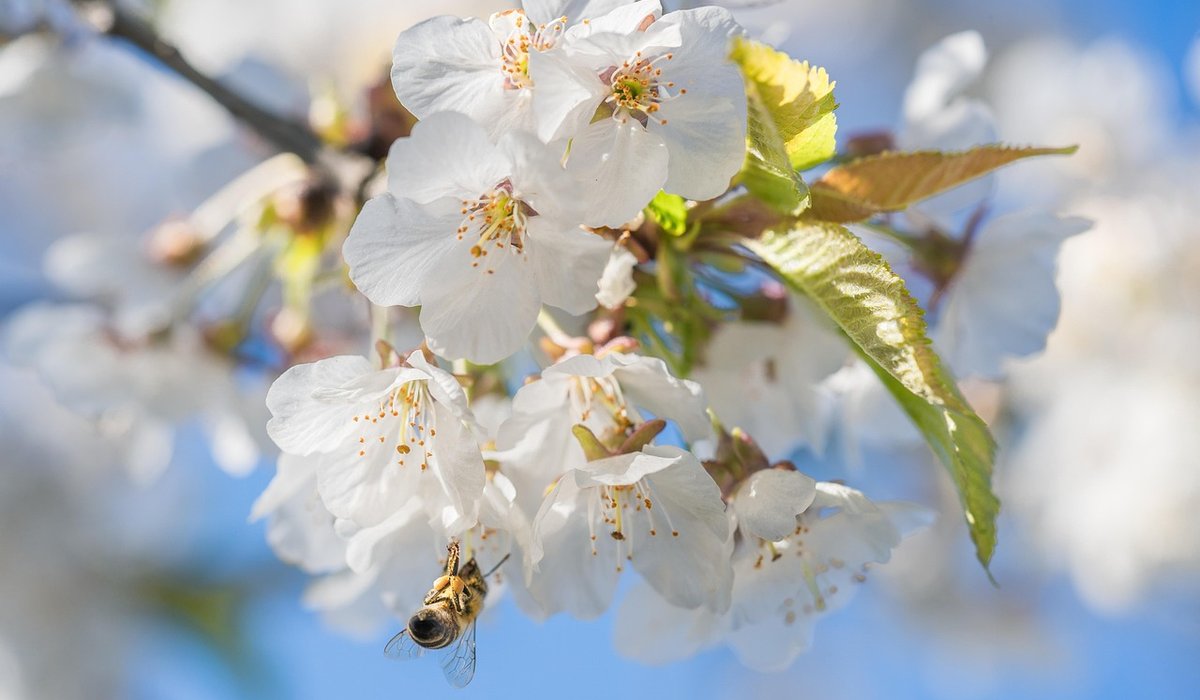
From orchard to vinegar: a very British fermentation
There is something quietly satisfying about turning a glut of British apples into something that will sit in your cupboard for months, ready to sharpen a dressing or liven up a pickle. Our orchards have been doing this work for centuries, from the bittersweet cider apples of Somerset and Herefordshire to the sharp Bramleys of Kent and the aromatic Cox’s Orange Pippin. Cider culture runs deep here, and apple cider vinegar is simply the next step on that journey. With a little patience and clean equipment, a litre or two of sweet cider can become a raw, lively vinegar that tastes of the fruit it came from.
What you need before you begin
- A clean glass demijohn or large glass jar — around 2 litres is ideal for a small batch.
- An airlock and bung for the first ferment, or a clean cloth and rubber band for the second.
- Unpasteurised apple juice or traditional cider with no preservatives.
- A mother culture — a splash of raw, unpasteurised vinegar or a vinegar mother from a previous batch.
- Muslin or a clean tea towel, sterilised bottles, and a funnel.
- A warm, dark spot that stays around 20–25°C.
Hygiene matters more than expensive kit. Wash everything in hot soapy water, rinse well, then sterilise with a food-safe sterilising solution or by pouring boiling water over glass (letting it cool before adding juice). Vinegar is forgiving, but mould and fruit flies are not.
Choosing the right cider or juice
The best vinegar starts with good juice. Look for cloudy, unpasteurised apple juice or fresh cider from a local press. Check the label: preservatives such as potassium sorbate or sodium metabisulphite will stop the fermentation you want. If you are pressing your own apples, blend sharp, sweet and bittersweet varieties. A handful of crab apples adds tannin and depth. In Britain, a mix of Bramley for acidity, Cox for aroma and a bittersweet cider apple such as Kingston Black or Dabinett will give a vinegar with real character. If you can only find a single-variety juice, don’t worry — it will still work, though the flavour will be simpler.
The two-stage ferment
Vinegar making happens in two stages. First, the sugars in the cider turn to alcohol. If your juice is fresh and unpasteurised, wild yeasts may already be waking up. Pour it into your demijohn, fit the airlock, and leave it for one to two weeks. You will see bubbles and a yeasty smell. When the bubbling slows, the cider is lightly alcoholic — around 5–7% is plenty.
Now the second stage begins. Remove the airlock and cover the neck with muslin or a clean cloth held by a rubber band. This lets oxygen in, which Acetobacter bacteria need to turn alcohol into acetic acid. Add your mother culture — a few tablespoons of raw vinegar is enough for a 2-litre batch. Stir gently once a day with a clean wooden spoon, or simply swirl the jar. Keep it warm and dark. After two to four weeks, the liquid will smell sharply of vinegar. A thin, gelatinous film may form on top; that is the vinegar mother, and it is a sign of health. If you see fuzzy patches in green, blue or black, that is mould — discard the batch and start again with cleaner kit.
Testing, bottling and storing
Taste a little on a spoon. It should be clean, tart and apple-scented, not musty or flat. For safety, the vinegar should be below pH 4.5; pH strips are cheap and useful. If it is still mild, leave it another week. When it is ready, strain through muslin into sterilised bottles. Fill them nearly to the top, seal, and store in a cool, dark cupboard. Raw vinegar will continue to mature and may grow a new mother, which is perfectly fine. For a longer shelf life, you can pasteurise the vinegar gently at around 70°C, but you will lose some of the live culture and complexity. Small batches are best used within a year — not that they often last that long.
In the kitchen and around the home
British cooks have long known the value of a sharp, fruity vinegar. Use yours in salad dressings with rapeseed oil and a spoon of honey, in pickled onions and beetroot, or in chutneys alongside apples and raisins. A dash lifts gravies, marinades and slow-cooked pork. Beyond the kitchen, dilute it for wiping down worktops, rinsing glassware, or as a final hair rinse. Keep a bottle in the pantry and another by the sink. Making apple cider vinegar in small batches is a slow, practical craft — one that connects your kitchen to the orchards and cider presses that have shaped the British landscape for centuries. Start with a litre of good juice, keep your equipment clean, and let time do the rest.


Leave a reply