


Why a wooden press earns its place in the shed
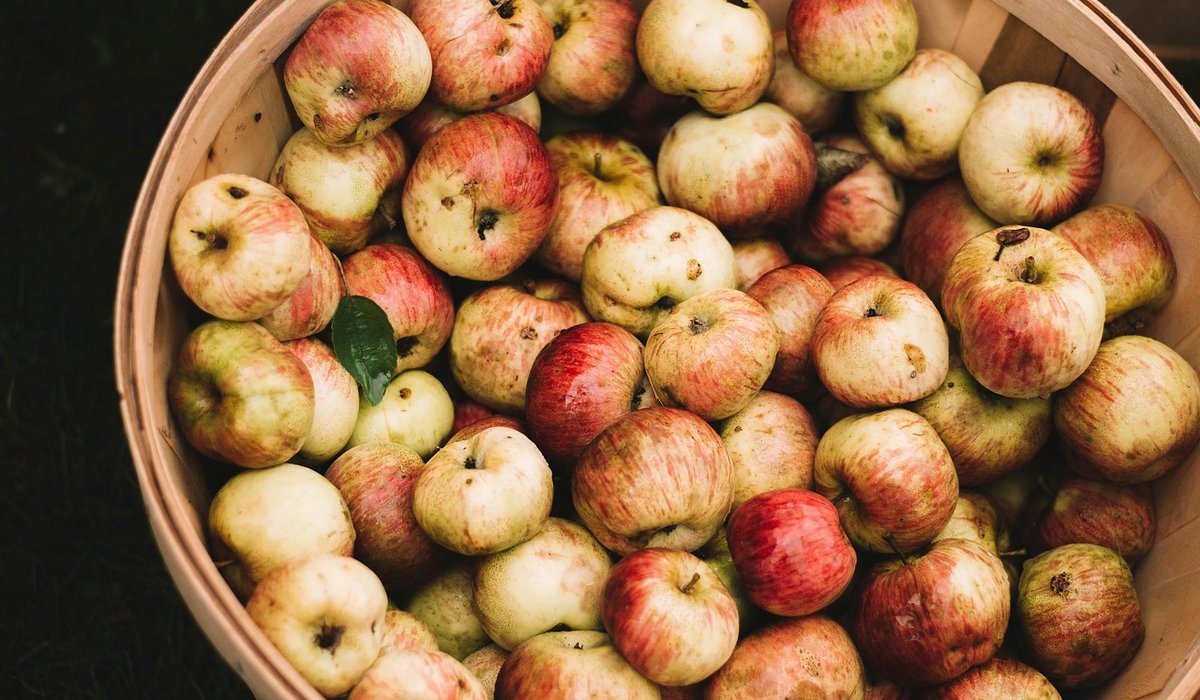
There is a moment, usually in late September, when the windfalls start to outnumber the eaters and you realise you have more apples than you can reasonably give away. That is the moment a press starts to look like a sensible investment of a weekend. A simple timber frame with a bottle jack will press 20 to 30 kg of crushed fruit an hour, which is plenty for a garden orchard, an allotment, or a couple of fruiting trees in a suburban back garden.
You do not need cast iron or engineering-grade steel. What you need is a frame stiff enough to resist eight tonnes of thrust without flexing, a basket to hold the pulp, and a jack to supply the squeeze. Build it well once and it will see you through twenty harvests.
Timber choice and the frame that has to take the strain
Oak is the traditional choice and still the best if you can get it, though ash or a good dense softwood will serve. Avoid anything that has been pressure-treated with tanalith, as the juice is acidic and will pull chemicals out of the timber. Second-hand oak beams, salvaged floor joists, or offcuts from a local sawmill are ideal.
For the uprights, four posts of roughly 100 x 100 mm, about 900 mm long, give a comfortable working height above a bucket. Bolt them to a base of 25 mm marine plywood or solid boards, with a slight slope towards a lip and a spout so the juice runs rather than pools. Use stainless steel bolts throughout — mild steel will rust within a season and leave you with black-stained juice.
- Four uprights, 100 x 100 x 900 mm
- Top crossbeam, 100 x 100 mm, and a second beam beneath it
- Base board or slatted tray, roughly 600 x 450 mm
- Stainless carriage bolts, washers and nuts
The top beam must sit directly above the base of the jack so the load passes straight down the uprights. Any offset and the frame will rack and split.
The basket, the plate and the bottle jack
A slatted oak basket about 350-400 mm across is the classic arrangement. Staves of 25 mm thickness, held by two or three stainless bands, let the juice escape while the pulp stays put. Line it with a coarse cotton or nylon cloth — a square of about 700 mm is right — and you have your "cheese".
The pressing plate should be a solid block of oak, around 400 x 350 x 40 mm, with a shallow rebate around the underside so it sits neatly on top of the cloth. On top of that, a small sacrificial block of softwood takes the jack's ram so the oak is not chewed up.
An eight-tonne bottle jack is ample; a twelve-tonne one gives a little more headroom for barely any extra cost. Buy a jack with a threaded release screw rather than a lever, so you can ease the pressure off gently instead of dropping it all at once.
Scratting the fruit before it goes in the press
Whole apples give up almost nothing. You need to mill or "scrat" them into a pulp, and the finer the better. A purpose-made hand-cranked scratter with stainless studs is the ideal, but a clean, dedicated garden shredder can work if it produces a coarse chop rather than a purée — you want pulp, not apple sauce.
Let the pulp stand for twenty to thirty minutes after milling. The pectin begins to break down, the juice runs more freely, and your yield goes up noticeably. If you are pressing for clear juice rather than cider, a small dose of pectolytic enzyme at this stage will do the same job faster.
Pressing day: slow and steady beats brute force
Build your cheese in layers. Cloth, an even layer of pulp about 50 mm deep, fold the cloth over, then another layer on top. Four or five layers in the basket is usually the limit before the stack becomes unstable.
Now the important part: press slowly, in stages. Take the jack up to light pressure, wait a minute, then a little more, then a little more. Blasting straight to full pressure bursts the cloths, squirts pulp out of the sides and blocks the drainage channels. Aim for perhaps ten minutes of gradual squeezing, letting the juice run clear before you add more force.
Expect roughly 500-700 ml of juice per kilogram of ripe fruit, depending on variety and how well you milled it. Culinary apples are generous; sharp cider varieties often give less but with far more flavour.
From juice to cider or vinegar, and keeping the kit sound
For cider, take a hydrometer reading and aim for an original gravity of around 0123456789. A blend of sharp, sweet and bitter varieties gives the best result — Kingston Black, Dabinett, Michelin and Tremlett's Bitter are all worth planting. Ferment in a sterilised vessel under an airlock, rack once after a fortnight, and bottle when it has cleared.
For vinegar, leave the juice open to the air in a warm room at about 20-25°C and let acetobacter do the work. Adding a splash of unpasteurised vinegar as a starter speeds things up; expect several weeks and a distinct vinegary smell before it is ready.
Afterwards, rinse everything with hot water and a food-safe sanitiser — never chlorine bleach, which taints the wood. Dry the press thoroughly, store it somewhere airy rather than a damp shed corner, and rub a little food-grade oil into bare oak once a year. Treated well, it will be pressing your apples long after you have stopped counting the harvests.


Leave a reply